Safety for Vulnerable Road Users
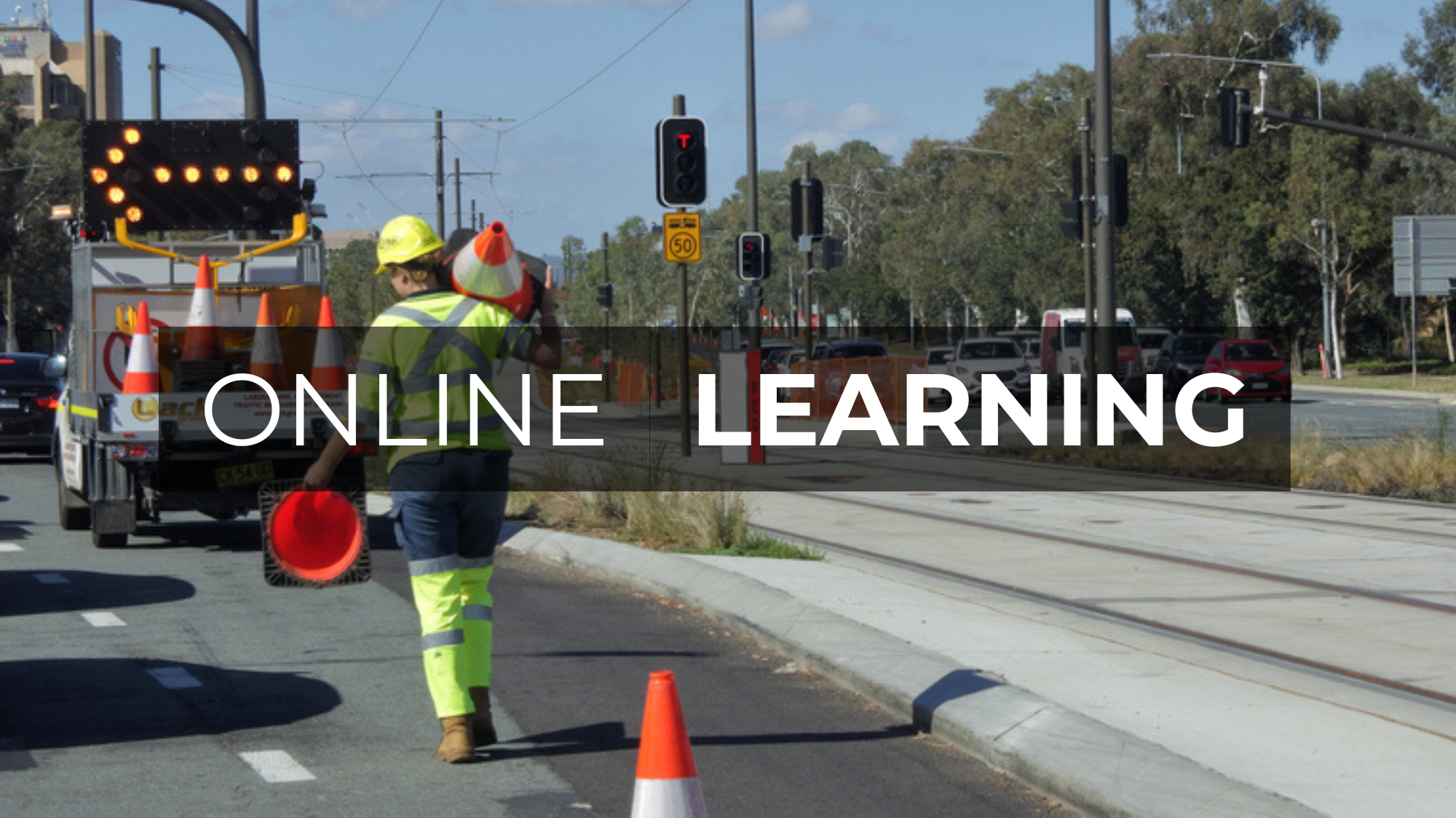
Vulnerable road users are at the centre of some of the most serious work-related harm, yet their risks are often hidden in both road safety and traditional WHS systems. This course focuses on the people who move in and around vehicles without substantial physical protection, including workers, gig workers, and members of the public who share the road environment with work activities.
In this course, you will explore what vulnerability means in occupational road use, how workers and non-workers can both be vulnerable road users, and how factors like personal capacity, environment, equipment, processes, and organisational systems (PEEPO) interact to shape risk. You will examine how gaps in data and fragmented responsibilities can leave vulnerable road users unprotected, and why a Safe System approach is needed to close those gaps.

Developed based on BoK
Chapter 40.3 -Safety for Vulnerable Road Users
NAVY_CMYK.jpg)
Funded by the National Heavy Vehicle Regulator’s Heavy Vehicle Safety Initiative, supported by the Australian Government
Why This Course Is Different
Unlike traditional training, this is an adaptive learning course. That means:
- The learning path automatically adjusts to your existing level of knowledge, so you skip what you already know and focus on what you need
- You progress faster—cutting the time to competency significantly—while ensuring you master all key concepts and skills
- Real-world examples and scenarios are safety specific, making learning immediately relevant
Learning Outcomes
- Define VRUs in occupational contexts
- Recognisehow vulnerability changes with tasks and environments
- Explain the impact of data gaps and gig work on occupational VRU risk
- Explain Safe System principles
- Apply a systems-based method to assess VRU likelihood, severity, and risk
Who's it For
This course is designed for safety practitioners, professionals and leaders who are responsible for work in and around vehicles, especially where workers, contractors, or gig workers may be vulnerable road users.
It is particularly relevant for those involved in OHSMS design, procurement and contract management, or overseeing work that interacts with public roads, shared zones, or public spaces. It will be useful whether your people are driving, cycling, walking, delivering, or working roadside.
While it won't make you an expert, it will give you a solid foundation to recognise patterns of vulnerability and ask better questions about work design, scheduling, equipment, and system responsibilities.
Course Details
Duration: 1 hour – self-paced; can be completed faster due to adaptive design
Cost: Free
Format: 100% Online | Adaptive Learning Path
CPD Points: 1 point

Continuous Learning
- Use for Verification of Competency: Successfully completing the course demonstrates your capability in essential VRU principles, providing documented proof of your skills for compliance, audits, or professional records.
- Refer Back Anytime: As an enrolled learner, you retain access to the course materials and tools, allowing you to revisit the content whenever you need a refresher—ideal for reinforcing knowledge, revisiting frameworks, or getting quick answers on the job.
- Continuous Professional Growth: This isn't a "once-off" learning event. By returning to the course at different stages of your career, you can adapt your skills and apply them to new challenges and contexts.
Registration & Support
Registrations for this course are now open, and you can register at anytime to begin the course.
Once you register, you will receive a confirmation email with details on how to access and begin your learning. This email will be titled "Admin user". Please ensure you check your junk mail. If you have any issues, contact the Learning and Professional Development team at [email protected]